Research digest workflow
Turn scattered industry updates into a reviewable daily digest.
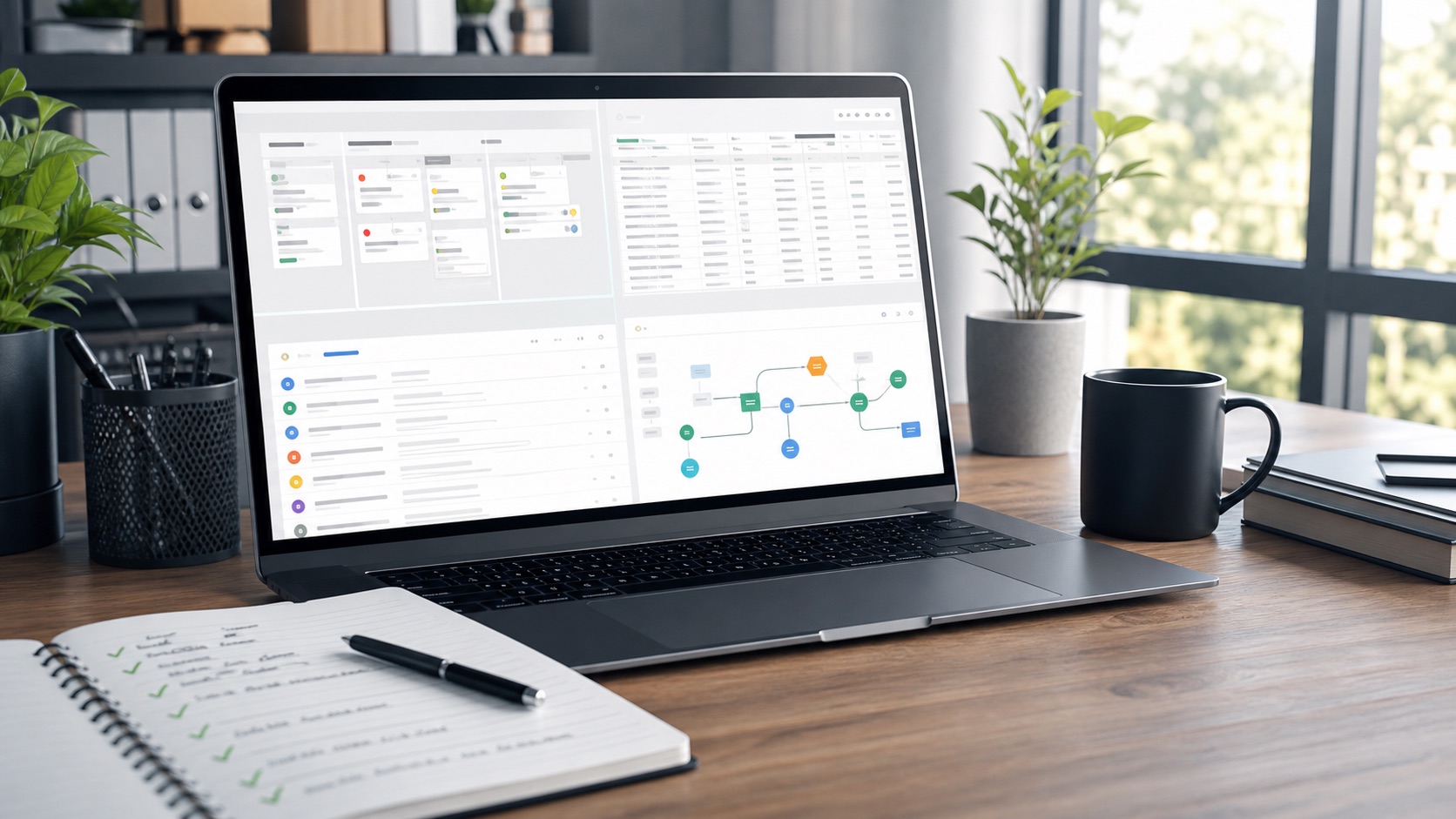
A useful research digest does not need to be fancy. Define sources, extract what changed, summarize what matters, keep links back to the original evidence, and route unclear items to a human before anything customer-facing goes out.
Fit
Good candidates have repeat sources and clear readers.
Daily or weekly digests work best when the team already checks the same sources and wants a reliable review copy, not a black-box answer.
Workflow
The first version should be boring and traceable.
Collect
Load approved sources on a schedule and record the raw link, title, date, and source category.
Compare
Detect what changed since the last run, then ignore duplicates, stale items, and known noise.
Draft
Write a short digest with links, confidence notes, and review flags before sending or publishing.
Need it productionized
Use the $4,999 sprint when the digest is already business-critical.
The sprint stays limited to one research workflow: source list, fetch schedule, stored state, summary format, review queue, and delivery path. TinyOps does not provide regulated advice or publish unsupported claims.
Start
Send the sources, reader, and delivery format.
For a quick plan, use the $29 kit. For a TinyOps review, buy the $99 audit and send the source list, current manual steps, sample digest, and where the final draft should go.